

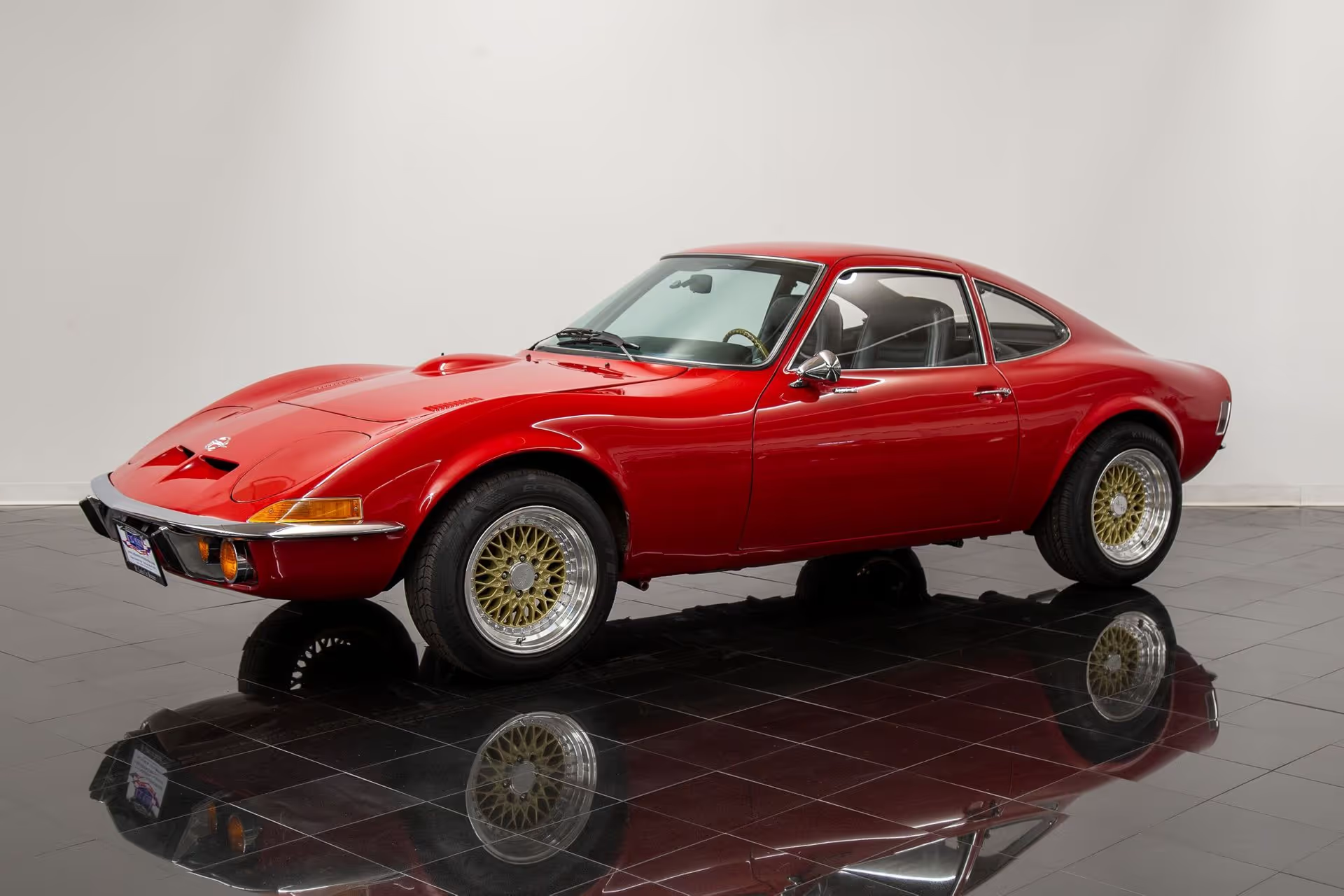
Carb to EFI Is Easier Than It Looks, and Easier to Get Wrong
A carb-to-injection conversion is one of the most rewarding upgrades you can make to a CIH Opel: better cold starts, a steadier idle, cleaner fuelling under load. But it is also where we see the same avoidable mistakes again and again. Almost none of them are about the engine itself - they are about the details around it.
The Pattern Behind Most Failed Swaps
When an injection conversion runs badly, the cause is rarely the injection system. It is usually wiring, fuel supply or a sensor that was never set up properly. Get those right and a stock L-Jetronic setup will run beautifully for decades, exactly as it did from the factory.
The Five Mistakes
1. Skimping on grounds.
L-Jetronic is sensitive to poor earths. A single corroded or shared ground can cause erratic running that sends builders chasing imaginary faults for weeks. Run clean, dedicated grounds and check them first.
2. Guessing at fuel pressure.
The system is designed around a specific regulated pressure. Without a gauge on the rail you are tuning blind, and a worn pump or wrong regulator will lean it out or flood it. Measure, do not assume.
3. Mixing incompatible components.
Air-flow meters, ECUs and injectors were matched to particular engines. Bolting together parts from different donors that look the same is the fastest route to a car that never quite runs right.
4. Ignoring air leaks.
Vacuum and intake leaks wreck the metered-air logic the system depends on. Old hoses, a tired throttle shaft or a leaking gasket will undo even a perfect wiring job.
5. Reusing tired sensors.
Coolant temperature sensors and the air-flow meter potentiometer drift with age. A decades-old sensor reporting bad data is one of the most common reasons a good conversion still runs poorly.
Before You Start
- Source a complete donor: loom, ECU, meter, injectors and sensors from one engine, not a mix.
- Test the loom on the bench: find breaks and bad pins before it is buried in the car.
- Fit a fuel pressure gauge: even temporarily, so you can confirm the system is in spec.
- Replace consumables: hoses, seals and the fuel filter are cheap insurance.
- Read the reference first: the documented conversions exist so you do not repeat known mistakes.
Signs It Went Right
- Instant cold starts: no pumping, no choke, just turn and go.
- Rock-steady idle: the system holds idle hot or cold without fiddling.
- Clean throttle response: no flat spots or hesitation off idle.
- Predictable fuelling: the car behaves the same on day one and day one hundred.
The Bottom Line
Injection conversions get a reputation for being temperamental, but the system itself is robust and well understood. The trouble almost always lives in the supporting details - grounds, pressure, matched parts, leaks and sensors. Get those five right and the rest takes care of itself.
Do it once, do it properly, and forget about it.
Building an Opel? Join our SMS list for updates.

Reference for the Opel building community.